
1964 Yearbook
Source URL
Title
1964 Yearbook
Description
Ambrose and loved their Alma
Mater fully as much as the Alumni of more recent years. But there
was no organized Alumni Association and so there was little to
write about. John Hynes contributed a strong article in the
first annual stressing the urgency
and in fact the obligation of
forming an Alumni Association
in testimony of alumni loyalty.
His article had much to do with
the formation of the first association and today it has grown
into a live, vigorous and enthusiastic body, which among other
activities furnishes remarkable
monetary assistance to the College. Every alumnus should be
an active member out of gratitude for the lifetime benefits he
received from the devoted and
selfless efforts of the College
priests, who so lavishly gave of
their time, their talents and their
spirituality.
The first annual was dedicated
to Msgr. Shannahan, President of
the College, now deceased; a
truly great priest, a fine educator and a skilled administrator.
With deep regret we force our
pen to write that not a single
priest who taught at St. Ambrose
in 1913 is now living, with the
exception of His Excellency,
Bishop William Adrian, the
esteemed Bishop of Nashville. It
requires so little effort on our
part to remember them in our
prayers. They did so much for
us.
Leaving the general theme of the
yearbook Mr. Klise contrasts life
then and now.
"Time begets changes and the
greatest of these changes as regards St. Ambrose is the remarkable growth of the College
in the past fifty years, both academically and physically. This
great growth is an enduring monument to the vision and vigor of
those who have so faithfully
guided the destiny of the College
throughout her life.
Students on the campus today
would find the rules of fifty years
ago somewhat stricter, with emphasis on the word "somewhat".
There is, of course, well ordered
discipline today but the rule
book has shrunk with the years.
There are more student liberties
now. For example, students were
permitted off the campus, in the
evening, only twice a year. Once
to attend a band concert down
town and once to see a class
play at the Academy. We
marched to these functions two
and two with Msgr. Shannahan
leading the procession and the
late Father Owen McGuire
bringing up the rear. We were
allowed to go down town to shop
on Wednesday afternoons from
one to three-thirty, that is if one
had a good excuse. (And he had
better remember what his excuse
was for several weeks past because a record was kept by the
Master of Discipline and if a repeat excuse was given, the request was promptly denied.) But
none complained about the rules.
No one thought they would be
otherwise and they constituted
good training."
Reminiscing on activities that
commonly took place on the campus
and with a wish for the future Mr.
Klise concluded his letter:
"Sandy haired Tom Mitchell
kept on mowing the grass under
the majestic oaks on the front
lawn, stopping the while to light
the stub of a pipe. The great
Doctor of the Church, St. Ambrose, from his pedestal on the
front walk was imparting his
blessing to passersby. Jim Gaf-
feny was hurling curve balls
down on the diamond. Luigi Li-
gutti was practicing the English
language. Groups sat on benches
on the hill. The bell in the
tower rang out the Angelus.
Young men stopped and blessed
themselves. And evening came
to a spring day at St. Ambrose
in Nineteen Hundred Thirteen
May St. Ambrose continue to
prosper and grow. May she continue to be guided and directed
by strong, dedicated men, providing the same stirring and vigorous leadership with which she
has been so richly endowed since
her founding day. May students
within her halls ever appreciate
their blessings. And may the
zeal of her Alumni grow in intensity for the welfare of their beloved Alma Mater."
Mr. William J. Hynes of Des
Moines adds to Mr. Klise's story:
"As I recall fifty years later,
there were three controlling factors: 1) the yearbook put out by
Notre Dame at the time, 2) the
influence of the big town student
group from the east side of Des
Moines, and 3) two members of
the faculty were graduates of St.
Joseph at Dubuque. They had
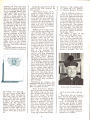
Rt. Rev. Msgr. Newman Flanagan
a book or were ready to put one
out.
From Sioux City we received a
letter from Rt. Rev. Msgr. Newman
Flanagan of the 1919 staff.
"The yearbook fulfilled a great
need. It assembled for future
reveries some records of happy
days. Youth is the time for forming deep and enduring friendships and after geography separates us, beautiful memories are
kept alive by having a practical
manual on our shelves."
Mater fully as much as the Alumni of more recent years. But there
was no organized Alumni Association and so there was little to
write about. John Hynes contributed a strong article in the
first annual stressing the urgency
and in fact the obligation of
forming an Alumni Association
in testimony of alumni loyalty.
His article had much to do with
the formation of the first association and today it has grown
into a live, vigorous and enthusiastic body, which among other
activities furnishes remarkable
monetary assistance to the College. Every alumnus should be
an active member out of gratitude for the lifetime benefits he
received from the devoted and
selfless efforts of the College
priests, who so lavishly gave of
their time, their talents and their
spirituality.
The first annual was dedicated
to Msgr. Shannahan, President of
the College, now deceased; a
truly great priest, a fine educator and a skilled administrator.
With deep regret we force our
pen to write that not a single
priest who taught at St. Ambrose
in 1913 is now living, with the
exception of His Excellency,
Bishop William Adrian, the
esteemed Bishop of Nashville. It
requires so little effort on our
part to remember them in our
prayers. They did so much for
us.
Leaving the general theme of the
yearbook Mr. Klise contrasts life
then and now.
"Time begets changes and the
greatest of these changes as regards St. Ambrose is the remarkable growth of the College
in the past fifty years, both academically and physically. This
great growth is an enduring monument to the vision and vigor of
those who have so faithfully
guided the destiny of the College
throughout her life.
Students on the campus today
would find the rules of fifty years
ago somewhat stricter, with emphasis on the word "somewhat".
There is, of course, well ordered
discipline today but the rule
book has shrunk with the years.
There are more student liberties
now. For example, students were
permitted off the campus, in the
evening, only twice a year. Once
to attend a band concert down
town and once to see a class
play at the Academy. We
marched to these functions two
and two with Msgr. Shannahan
leading the procession and the
late Father Owen McGuire
bringing up the rear. We were
allowed to go down town to shop
on Wednesday afternoons from
one to three-thirty, that is if one
had a good excuse. (And he had
better remember what his excuse
was for several weeks past because a record was kept by the
Master of Discipline and if a repeat excuse was given, the request was promptly denied.) But
none complained about the rules.
No one thought they would be
otherwise and they constituted
good training."
Reminiscing on activities that
commonly took place on the campus
and with a wish for the future Mr.
Klise concluded his letter:
"Sandy haired Tom Mitchell
kept on mowing the grass under
the majestic oaks on the front
lawn, stopping the while to light
the stub of a pipe. The great
Doctor of the Church, St. Ambrose, from his pedestal on the
front walk was imparting his
blessing to passersby. Jim Gaf-
feny was hurling curve balls
down on the diamond. Luigi Li-
gutti was practicing the English
language. Groups sat on benches
on the hill. The bell in the
tower rang out the Angelus.
Young men stopped and blessed
themselves. And evening came
to a spring day at St. Ambrose
in Nineteen Hundred Thirteen
May St. Ambrose continue to
prosper and grow. May she continue to be guided and directed
by strong, dedicated men, providing the same stirring and vigorous leadership with which she
has been so richly endowed since
her founding day. May students
within her halls ever appreciate
their blessings. And may the
zeal of her Alumni grow in intensity for the welfare of their beloved Alma Mater."
Mr. William J. Hynes of Des
Moines adds to Mr. Klise's story:
"As I recall fifty years later,
there were three controlling factors: 1) the yearbook put out by
Notre Dame at the time, 2) the
influence of the big town student
group from the east side of Des
Moines, and 3) two members of
the faculty were graduates of St.
Joseph at Dubuque. They had
Rt. Rev. Msgr. Newman Flanagan
a book or were ready to put one
out.
From Sioux City we received a
letter from Rt. Rev. Msgr. Newman
Flanagan of the 1919 staff.
"The yearbook fulfilled a great
need. It assembled for future
reveries some records of happy
days. Youth is the time for forming deep and enduring friendships and after geography separates us, beautiful memories are
kept alive by having a practical
manual on our shelves."
Date
1964
Rights
St. Ambrose University, 518 W. Locust St., Davenport, IA 52803
Identifier
http://cdm16810.contentdm.oclc.org/cdm/ref/collection/p16810coll2/id/7845