
1918 Yearbook
Source URL
Title
1918 Yearbook
Description
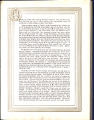
position to realize their burning desire for freedom. 'Tis true that many
lives had been lost; but to what a glorious and commendable cause, the
attainment of their God-given right, their liberty.
When the glad tidings of victory swept throughout the colonies, the
joy of the people was well nigh indescribable; and now that they were free
to construct their democracy, to put into form their high ideals, did they
relax in their endeavors? The work before them was indeed a hercu-
lanean task, but fortunately, they possessed among them many leaders
who were fully equal to the work. George Washington, Alexander Hamilton, James Madison, Thomas Jefferson, Charles Carroll, Benjamin Franklin,
and numerous other eminent Americans grouped themselves together, and
eventually, after diligent labor, the wonderful new constitution was drawn
up and presented to the people. This written document was truly "the most
striking piece of work ever struck off by the brain and pen of man." A
constitution, drawn up at the beginning of their republic that still serves
us most excellently in our highly developed democracy of today. Marvelous, indeed, was their ingenuity and foresight.
The Republic was now started on its way; the Ship of State was launched
upon its journey. Prominent personages all over Europe, almost unanimously, predicted an immediate downfall; they ridiculed the experiment as
too idealistic; but these men were doomed to disappointment. They had
forgotten, that many mighty projects and wonderful realities exist as
ideas in the mind of man, long before their realization. They reckoned
without the character of the people who launched the project, and the
extraordinary leaders, who directed it. The progress in the experiment
was indeed slow, but gradually the confidence of the people became unshakable, and a great power became their dream. Colonies became numerous and the famous cry of "Westward Ho!" brought hundreds of people to
settle the west.
Gradually the Union became stronger and stronger, but still there remained one jarring note to the declaration of George Washington, that all
. men are created free and equal. The presence of slaves in the country
was indeed incompatible with love of liberty and hatred of oppression.
The removal of this evil feature was left to the noble hearted Lincoln and
the Civil War. This war was truly a sad one, but nevertheless it was a necessary one; sad, because of the sufferings and sorrows of the people, because of the deaths incurred, and because of the fact, that it was an internal
strife, a nation divided against itself; but on the other hand this Civil
war was very necessary, if true democracy were to remain untinted by
despotic tendencies. Happily enough the Union came out intact, unscathed. In all sections of the country the Star-Spangled Banner lent
itself to the gentle wafting of the breezes. Slavery was abolished and
the North and the South were again united in a bond of fraternal affection.
Abraham Lincoln in his famous Gettysburg address prayed that "these
men shall not have died in vain and that this nation, under God, shall
have a new birth of freedom." His wish has been granted. Democracy
with renewed strength and vigor proceeded onward with rapid strides.
lives had been lost; but to what a glorious and commendable cause, the
attainment of their God-given right, their liberty.
When the glad tidings of victory swept throughout the colonies, the
joy of the people was well nigh indescribable; and now that they were free
to construct their democracy, to put into form their high ideals, did they
relax in their endeavors? The work before them was indeed a hercu-
lanean task, but fortunately, they possessed among them many leaders
who were fully equal to the work. George Washington, Alexander Hamilton, James Madison, Thomas Jefferson, Charles Carroll, Benjamin Franklin,
and numerous other eminent Americans grouped themselves together, and
eventually, after diligent labor, the wonderful new constitution was drawn
up and presented to the people. This written document was truly "the most
striking piece of work ever struck off by the brain and pen of man." A
constitution, drawn up at the beginning of their republic that still serves
us most excellently in our highly developed democracy of today. Marvelous, indeed, was their ingenuity and foresight.
The Republic was now started on its way; the Ship of State was launched
upon its journey. Prominent personages all over Europe, almost unanimously, predicted an immediate downfall; they ridiculed the experiment as
too idealistic; but these men were doomed to disappointment. They had
forgotten, that many mighty projects and wonderful realities exist as
ideas in the mind of man, long before their realization. They reckoned
without the character of the people who launched the project, and the
extraordinary leaders, who directed it. The progress in the experiment
was indeed slow, but gradually the confidence of the people became unshakable, and a great power became their dream. Colonies became numerous and the famous cry of "Westward Ho!" brought hundreds of people to
settle the west.
Gradually the Union became stronger and stronger, but still there remained one jarring note to the declaration of George Washington, that all
. men are created free and equal. The presence of slaves in the country
was indeed incompatible with love of liberty and hatred of oppression.
The removal of this evil feature was left to the noble hearted Lincoln and
the Civil War. This war was truly a sad one, but nevertheless it was a necessary one; sad, because of the sufferings and sorrows of the people, because of the deaths incurred, and because of the fact, that it was an internal
strife, a nation divided against itself; but on the other hand this Civil
war was very necessary, if true democracy were to remain untinted by
despotic tendencies. Happily enough the Union came out intact, unscathed. In all sections of the country the Star-Spangled Banner lent
itself to the gentle wafting of the breezes. Slavery was abolished and
the North and the South were again united in a bond of fraternal affection.
Abraham Lincoln in his famous Gettysburg address prayed that "these
men shall not have died in vain and that this nation, under God, shall
have a new birth of freedom." His wish has been granted. Democracy
with renewed strength and vigor proceeded onward with rapid strides.
Publisher
Wagner's Printery
Date
1918
Rights
St. Ambrose University, 518 W. Locust St., Davenport, IA 52803
Identifier
http://cdm16810.contentdm.oclc.org/cdm/ref/collection/p16810coll2/id/6702